


Searider Productions: Digital Media Applications
Visual Storytelling Guide: Production Value
Good to Great
A visual storytelling thought process.
For many students the destination is the goal, but the journey is also just as important. Students who find purpose and value in this process will definitely create great videos.
Choice
Great videos begin with a choice. Big or small, each decision affects the outcome of the image, the story and ultimately what your audience thinks about your production.


Look at the two images above.
What are the obvious differences between both shots?
What did the photographer choose to do differently? Which do you prefer? Why?
The ability to take a picture or make a video doesn't make "great". By embracing the process of production YOU can determine the outcome.

Production Value

The quality of the media in which the message is delivered.
Amateur storytellers often disregard simple production techniques opting to "run and gun" or "just get the shot".
True professionals understand the value of the tools needed to produce high quality products.
Why Is It Important?
It is important to consider what is your focus, value and purpose when choosing a shot or writing a line or moving the camera. There are a plethora of things to consider production. Begin every decision with the question - "why is it important?"
What Is The Right Tool?
Once you've determined what is important, then you must decide what is the right tool. There are literally millions of ways to do something, but those who value high production quality understand how the right tool can be the difference between good and great.

Which Tool?
Before you answer, ask yourself, what's the problem you're trying to solve? Are you trying to hammer in or cut off the rusty nail? Which tool works best for which problem?
Remember, every purpose has a tool and every tool a purpose.
What's In Your Tool Belt?
Any student can achieve higher production quality by learning to value the tools they are afforded. These tools are designed to help you capture the best possible production.
Your Brain

Use Your Brain
It's the number one tool when trying to achieve high production value. Great filmmakers can envision problems before they even happen and can create simple solutions that help accomplish any task.
Visual Tools

The foundation for any visual story.
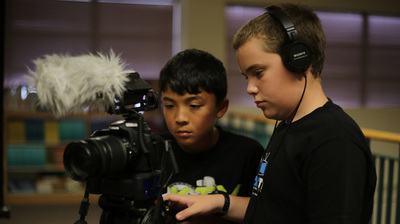
These will help add more style to your visuals.

When used with purpose and conviction, movement can help raise your production value.
Physical Tools
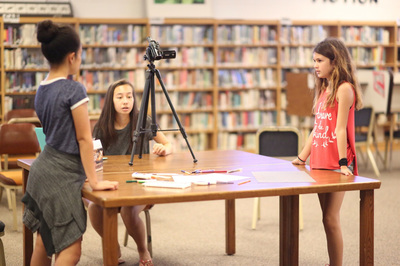
Tripods
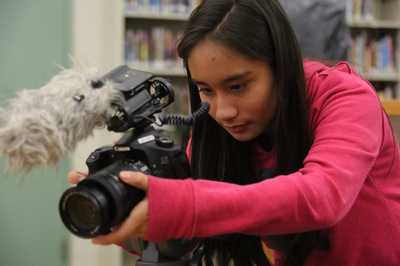
Lenses
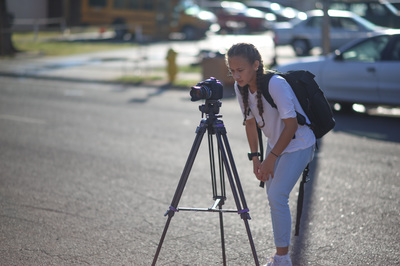
Cameras
Software
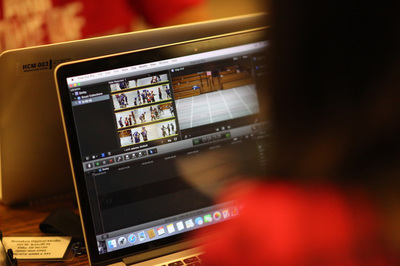
Final Cut Pro

iMovie
Process
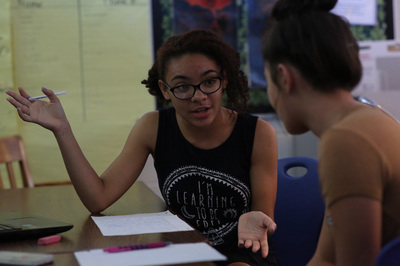
Pre-Production
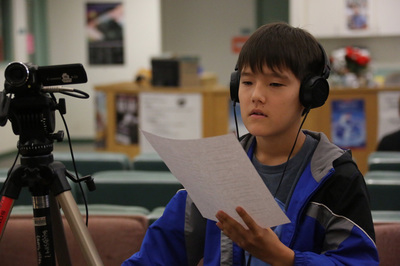
Production

Post-Production
Logistics
Plan for the worst, hope for the best.
Logistics are defined as the steps needed to complete a task.
Every production has logistics, even the smallest ones. You have to learn love this part of the process. From planning your shots to post production students still have many decisions to make, each choice comes with its own pros/cons.
Essentially we want every student to understand their ability to solve problems before they leave the classroom. We know it's not something that happens overnight but by planning ahead, being flexible and most of all staying focused on the task at hand, everyone can go from good to great.
Talent

Finding the right talent is not easy. Most times even your friends won't participate in your productions.
Even when you find someone to act, it can be a struggle to get the type of performance you are looking for. The ability to "sell" the illusion is a skill that must be honed and practiced.
If you want the best possible production value a director should know exactly what they want and be able to communicate that clearly.
Location
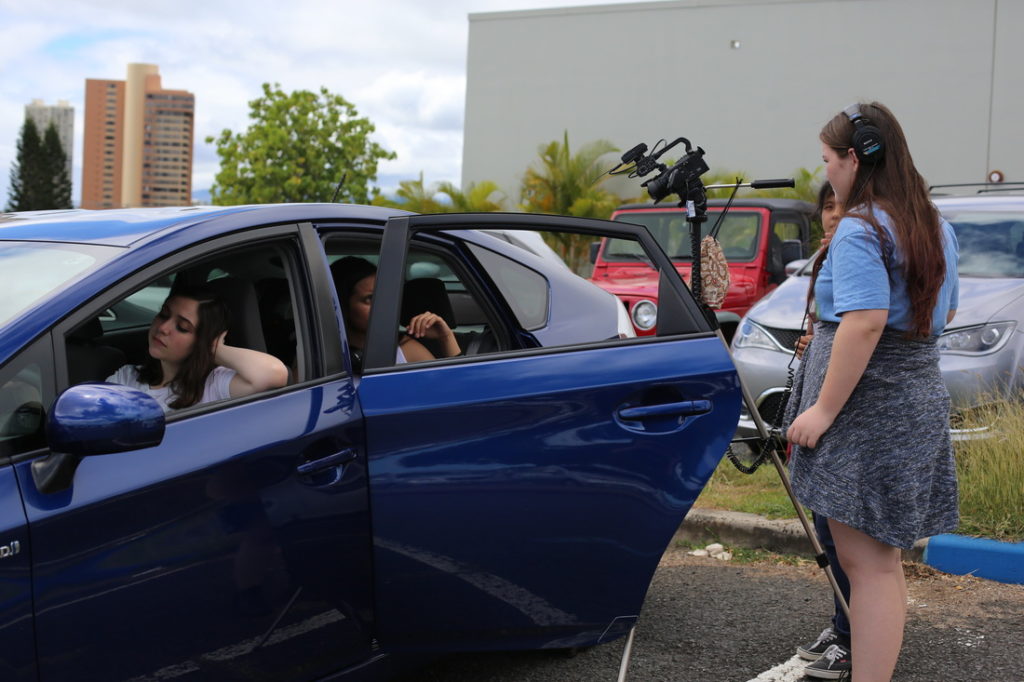
A location can make or break your production. An appropriate location becomes the back drop to your story. An inappropriate location can create confusion within your audience.
Most students are not focused on location. Right outside the class is an option, but is it the best option suited for the story your telling?
Help yourself create better productions by using locations appropriate to the story.
Props
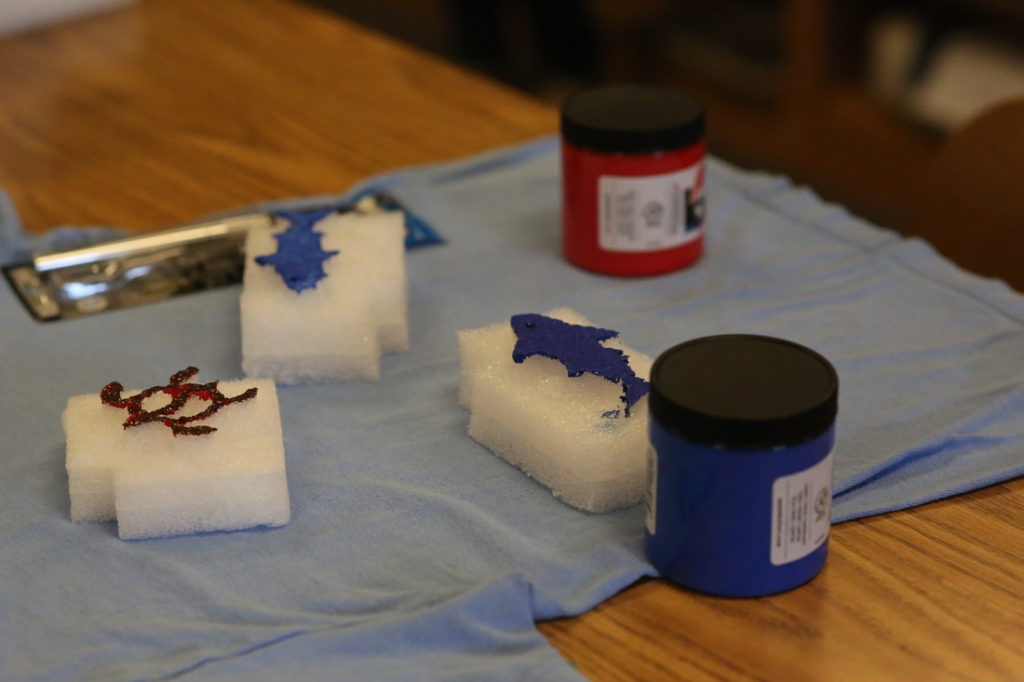
Props are defined as anything movable or portable on a stage or a set, distinct from the actors, scenery, costumes and electrical equipment.
Most often students create simple props for their videos. Cleverly designed props, can be the difference in selling the reality of your video.
It's all about quality. Props take time to design and refine. Fake props look well...fake.
Wardrobe
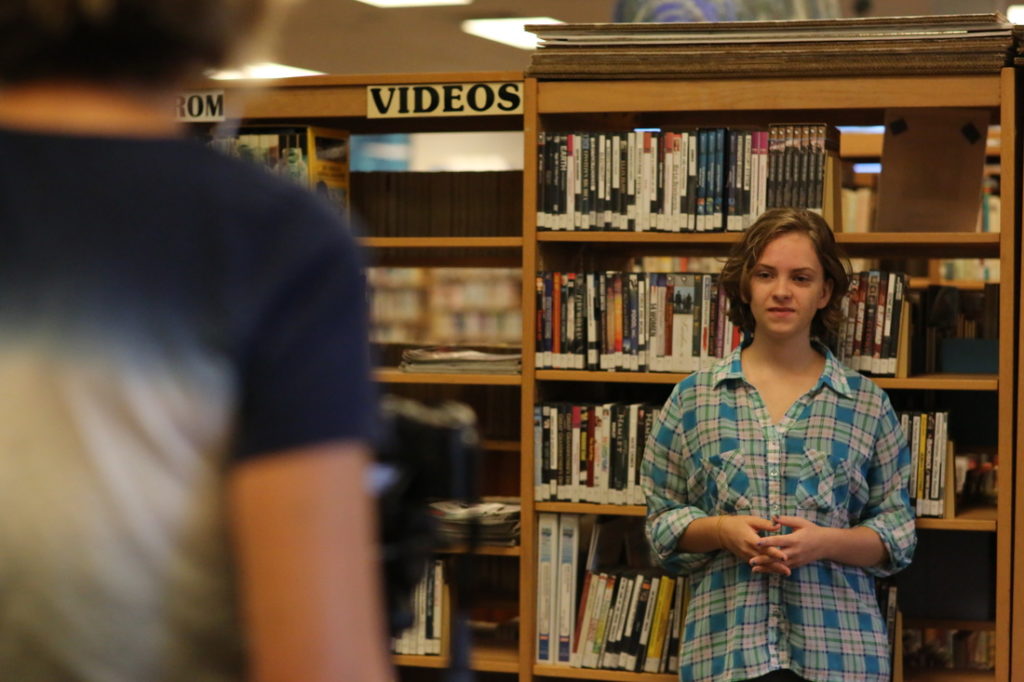
Wardrobe is often overlooked because most productions do not require a special outfit or piece of clothing.
Many students opt to wear whatever they are most comfortable in. Ask yourself, "does my story need a specific look?"
When wardrobe is considered a priority it often results in higher production value.
Example
Watch the video above and discuss the logistics behind every shot. Refer back to the values (talent, location, props and wardrobe) to explain what they could have done in order to prevent the problems you've found.
A small disclaimer - this was a first draft for this particular group. They did review and improve the production. It's a lesson that we hope everyone can learn from - good to great.

Parting Shots
Before we move on to your activities let's review what we learned about Production Value and Logistics.
Production Value
Review the two videos below and discuss the differences in production value with the class.
Did the visuals add or subtract value from the story. Were the sequences clearly defined? Did the shots have a clear purpose?
What kind of tools (go pros, tripods, etc.) were in both and how were they used differently?

Logistics
What happens when you love your logistics?
Check out the film Brainstorm and the Behind the Scenes then discuss the logistics of the following in class.
Camera Operation
Wardrobe
Location

Good To Great
Practice simple composition techniques
Get dynamic close ups
Be aware of background distractions
Don't pan, tilt or zoom - move left/right, in/out or cut closer/farther
Instead of speeding up video, shoot close-ups and cut on the action quicker
Bring people/objects to the foreground
Shoot faces not profiles or back of heads
Find something (tripod, chair, etc.) to hold your shot steadier
Use static shots because without the proper equipment camera movement is difficult