

Searider Productions: Digital Media Applications
Visual Storytelling Guide: Sequence, Scene, Shot
The Next Level
If one picture can tell a thousand words, imagine what you can do with 30 frames per second.
If you want to take your productions to the next level you must master the art of Sequencing.
Sequence
A SEQUENCE is the "series of actions" in a shot, scene or a story.
From the smallest detail to the largest character arcs, stories are a combination of thousands and sometimes millions of little actions. Sequences help us prioritize and organize these actions. It can help us move stories forward and create higher production quality. Let's take a look at how SEQUENCING works.
Sequences work because every story, scene, and shot is made of actions that follow the same pattern.
BEGINNING - MIDDLE - END
STORY: In a larger story the sequence can be multiple scenes with many shots and tons of specific actions.
SCENE: In a scene, the sequence could be multiple shots and many specific actions.
SHOT: In a one shot, the sequence is made of the specific actions needed to complete the shot.
Below are guidelines to help you start constructing your sequences. Use them as a starting point for your next project.
All About Story
The largest sequence to build is your story. Start here to determine the "big picture" that help guides your decision making.
HOOK
Break down the story into five major points.
SETUP
Identify the scenes.
PROBLEM
Break those scenes down into shots needed.
CLIMAX
RESOLUTION
Finally, deconstruct the shots into bite sized actions.
Scene Starter
A scene is defined as one location. Videos that are constructed using only one scene can still work as stories as long as they end.
BEGINNING
Identify the 3 major points of the scene.
MIDDLE
Break down those parts into shots.
END
Deconstruct the shots into bite sized manageable actions.
Shot. Shot. Shot.
Use visual storytelling basics to help you frame your shots, construct individual shots in the same manner you would the entire story.

BEGINNING
Identify the 3 major points of the scene.
MIDDLE
Deconstruct the shots into bite sized manageable actions.
END
Tips
One vs. Many
Action, Reaction, Emotion
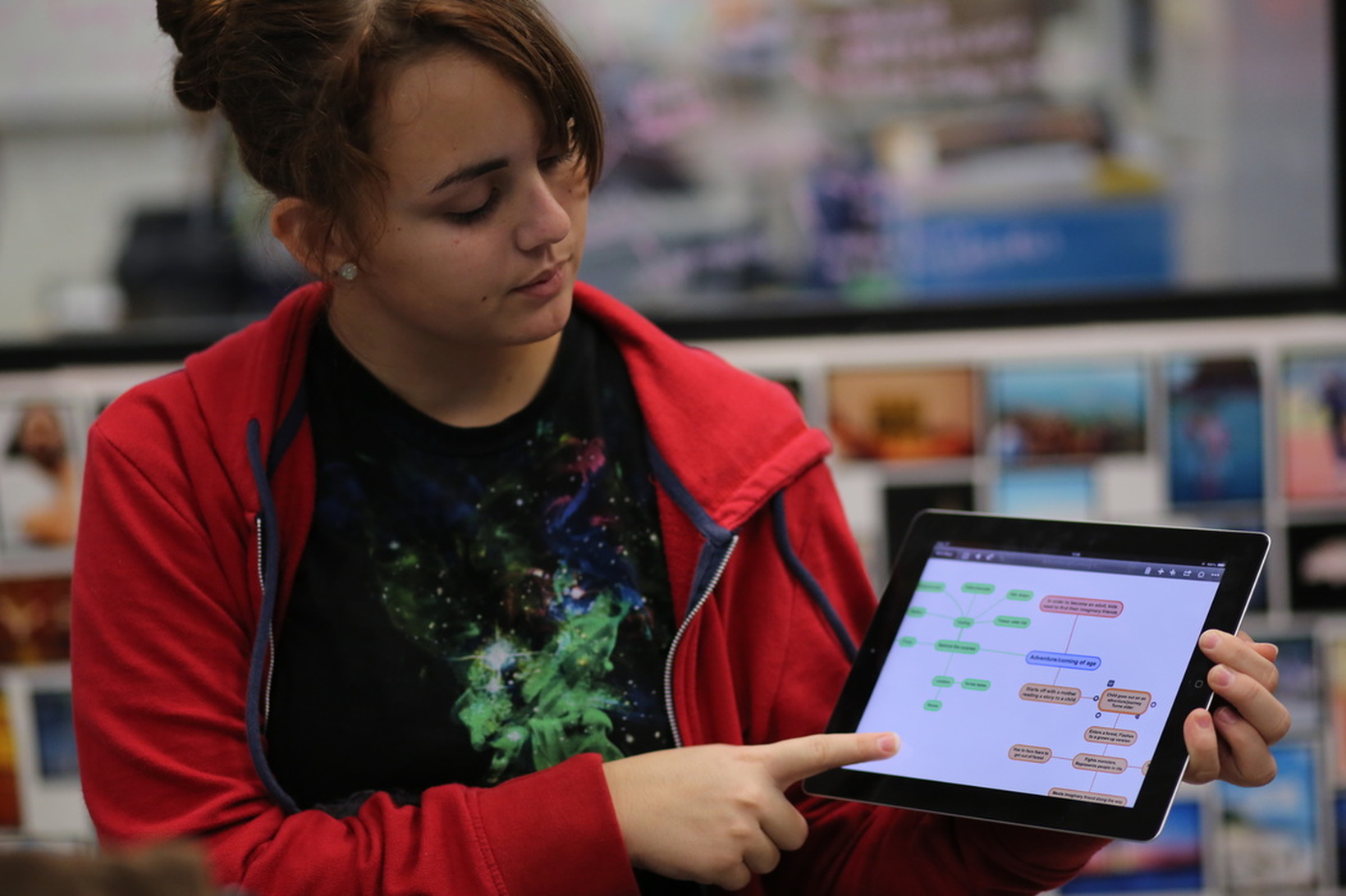
For every action you want to shoot, think of 3 shots that would tell the story from beginning to end. By using "Action, Reaction, and Emotion" you can create very simple but compelling visual stories.
Cut In
For every action you want to shoot, think of 2 things to isolate and "feature" in a close-up. By using "CUT IN" you can create very simple but compelling visual stories.
Triangle Coverage
A more advanced technique is called Triangle Coverage. This means you shoot the same action from three different angles - one flat master shot and two singles. The key is to shoot the entire scene from one angle at a time. You will construct the scene in the edit.
Parting Shots
A sequence is the most effective way to capture a visual story. Let's review the elements that can make your sequences awesome.
Sequence
A series of actions in a shot, scene or story.
Action, Reaction, Emotion
A sequencing technique that uses the action, a reaction shot and a separate close up.
Cut In
A sequencing technique that isolates two subjects within the frame.
Triangle Coverage
A sequencing technique that uses the main shot and two separate angles.
Activity
Project Duration: 1 Day | Groups: 1 (max) | Media : 10 Photos | Difficulty: Beginner
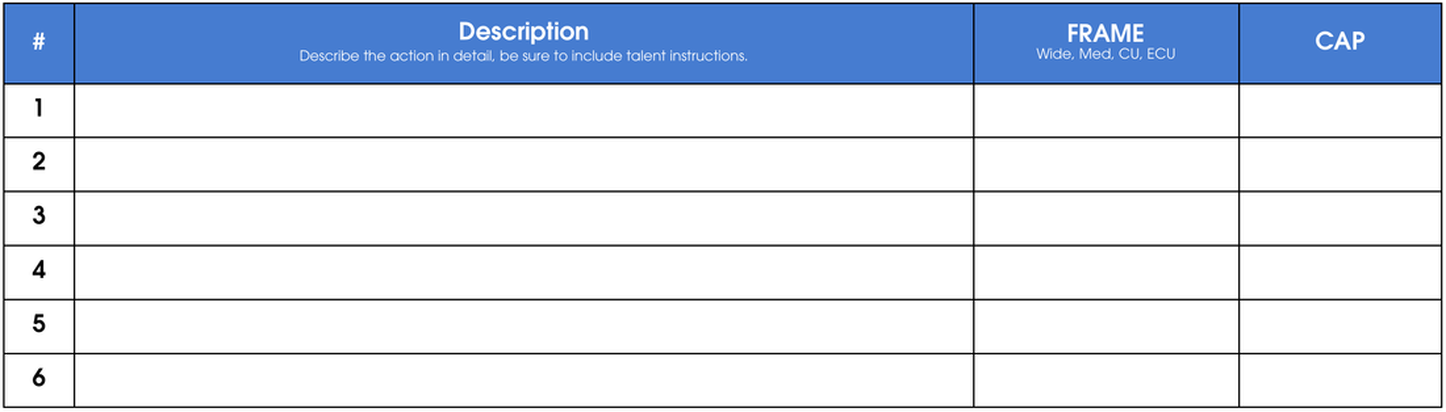
Task: Create a 6 shot sequence using the production process outlined below.
Objective: Students will learn how to construct sequences at the shot, scene, and story levels using only visual storytelling techniques.
- Brainstorm
- Create SHOT LIST
- Review / Approve
- Shoot
- Edit
- Upload to website
Choose from one of the following:
Borrowing a Book
Tying a Shoe
Getting a Drink of Water
Washing Your Hands
Making a Paper Airplane
This activity is designed to challenge your visual storytelling abilities. There should be
NO DIALOGUE, VOICE OVER or TEXT ON SCREEN
to help the audience understand what is happening.